

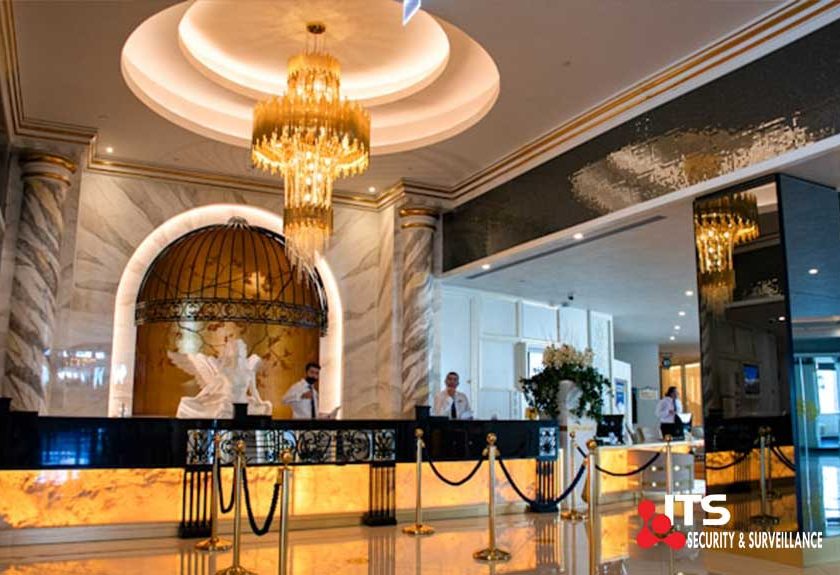
Security is paramount in the hospitality industry, especially in a bustling metropolis like Dubai. The Security Industry Regulatory Agency (SIRA) has established comprehensive guidelines to ensure that hotels and similar facilities maintain high standards of safety and security. For hotel operators, understanding and implementing these requirements is not just about compliance but also about ensuring the safety and satisfaction of their guests.
Key Security Requirements for Hotels
SIRA’s guidelines outline specific security measures that must be adopted by hotels to enhance their overall security framework. Here’s a breakdown of the critical requirements:
Visual Surveillance System (VSS):
IP-Based System: Hotels must use an IP-based Visual Surveillance System (VSS). This system ensures high-quality video monitoring and recording, essential for maintaining security across hotel premises.
Strategic Placement: Cameras must be installed at all entrances, reception desks, elevator lobbies, inside elevators, and emergency exits. This comprehensive coverage ensures that all critical areas are monitored continuously.
Recording Standards: The system must record at a minimum of 1080P quality and at least 10 frames per second, ensuring clear and detailed footage. Recordings must be kept for a minimum of 31 days.
Access Control:
Electronic Room Entry: Hotels, especially three-star and above, must implement an electronic system for room entry. This system should log all entries and exits, with records maintained for at least six months. This measure helps in tracking and monitoring access to rooms, enhancing guest safety.
Dedicated Security Personnel:
Security Guards: Hotels are required to have security guards or building watchmen on a 24/7 basis. This is particularly mandated for four and five-star hotels, luxury, and tourist hotel apartments.
Security Operations Manager: A dedicated Security Operations Manager or Supervisor must be present around the clock. This ensures there is always someone in charge of overseeing the security operations and responding to any incidents promptly.
Female Guards: If required, hotels must also employ female guards to cater to the needs of female guests and staff, ensuring a comfortable and secure environment for all.
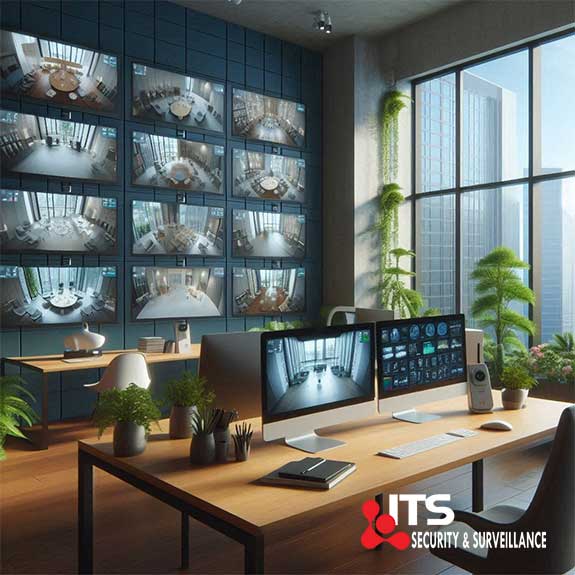
Specialized Security Rooms:
VSS Room: A secure and non-exposed VSS room must be provided for monitoring the surveillance footage. This room should be exclusively for security personnel to manage the surveillance system.
Operations Room: An operations room equipped with communication tools to connect with security guards, hotel officials, emergency services, and rescue entities must be established. This room acts as the central hub for managing all security operations within the hotel.
Call Recording System:
Hotels should implement a system to record all incoming and outgoing calls, including internal communications. These records should be maintained for at least six months. This system is crucial for monitoring communication and ensuring there is a record of all interactions for security purposes.
ANPR (Automatic Numberplate recognition):
Should be placed at the entrances and exits of the parking lots. In case of more than one entrance, cameras shall be installed at the following locations: Entrances and exits of the establishment’s vehicles as well as by entrances and exits of vehicles’ parking lots. Entrances and exits of the drop-off areas must also be covered.
Video Guard:
Monitoring system for all CCTV surveillance systems in terms of performance and monitoring of faults to ensure the sustainability of the systems. Installation of Video Guard is a compulsory requirement for companies working in some specific sectors in Dubai and includes Hotels and Furnished Apartment. It enables SIRA to monitor the customer’s video surveillance system remotely. Thus, SIRA can watch the video footage of the customer’s site in real-time. It helps SIRA to record a backup copy of the customers’ surveillance video on its computer, so in case a customer loses the video recording at their location, a remote copy is still available at SIRA. It sends out the alarm messages generated by the video recorders and the intruder alarm panels. These alarm messages not only go to SIRA but also to the customer and the security service provider. Due to this, the service provider can attend to the problems quickly and resolve them.
Adhering to SIRA’s security guidelines offers several advantages to hotel operators:
Enhanced Guest Safety: By implementing these stringent security measures, hotels can significantly improve the safety and security of their guests. This not only helps in preventing incidents but also in quickly addressing any security concerns that may arise.
Increased Trust: Guests are more likely to trust and choose hotels that have robust security measures in place. This can lead to higher guest satisfaction and loyalty, ultimately benefiting the hotel’s reputation and business.
Regulatory Compliance: Compliance with SIRA’s guidelines ensures that hotels meet all legal and regulatory requirements, avoiding potential fines or legal issues that could arise from non-compliance.
Operational Efficiency: With dedicated security personnel and advanced surveillance systems, hotels can operate more efficiently. Security incidents can be managed more effectively, and the overall safety environment within the hotel is enhanced.
For hotels in Dubai, understanding and implementing SIRA’s security requirements is essential. These guidelines not only help in maintaining a secure environment for guests and staff but also ensure that hotels comply with local regulations. By adopting these measures, hotel operators can enhance their security posture, build trust with their guests, and ensure smooth and secure operations.
For more detailed information on SIRA requirements and how to implement them, feel free to reach out to our team of experts. We are here to help you navigate through these regulations and ensure your hotel meets all the necessary security standards.

